Chemical Dosing Strategies for Managing Oil, Gas and Water Treatment Processes
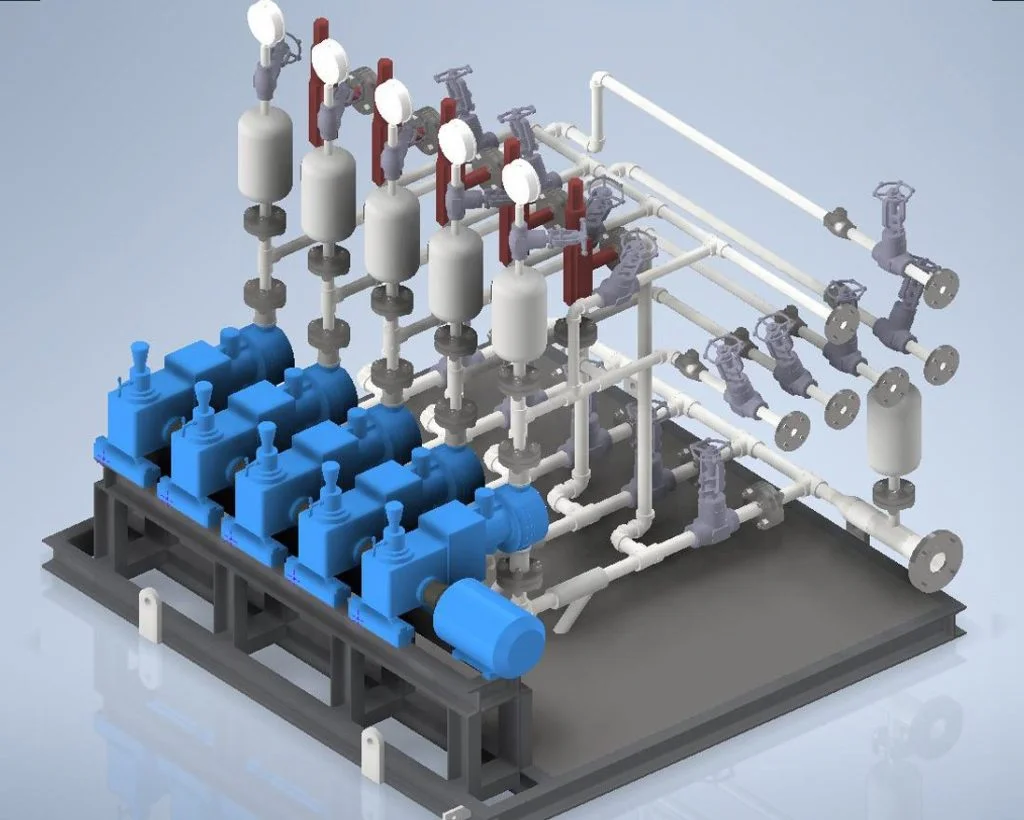
Oil, gas, and water treatment operations rely on carefully managed processes to maintain product quality, protect equipment, and minimise operational problems. Chemicals are often introduced to control corrosion, reduce scale formation, separate water from hydrocarbons, or support other treatment requirements. However, successful treatment depends on more than selecting the right chemical. Operators must also consider dosing rates, injection locations, fluid conditions, and equipment compatibility. A well-planned dosing strategy helps maintain consistent treatment performance while reducing waste and unnecessary maintenance.
Why Chemical Dosing Requires Careful Planning
Industrial treatment processes can change as production rates, fluid composition, temperature, and pressure fluctuate. A chemical dosage that works under one set of conditions may become less effective when those conditions change.
Underdosing can leave equipment vulnerable to corrosion, scale formation, or inadequate separation. Excessive dosing may increase chemical consumption, raise operating costs, and create unwanted effects within the process.
For this reason, dosing decisions should be based on the treatment objective, process data, chemical characteristics, and operating requirements. Operators should establish suitable dosing ranges and review performance using relevant measurements rather than relying on fixed settings without evaluation.
A practical dosing strategy begins by identifying the problem the chemical is intended to address. Corrosion control, scale prevention, emulsion breaking, and water treatment require different chemicals and monitoring approaches.
Selecting a Chemical Dosing Pump for Industrial Applications
A chemical dosing pump delivers a controlled quantity of treatment chemical into a process stream. The selected pump must match the required flow rate, discharge pressure, chemical properties, and operating conditions.
Metering pumps are commonly considered where accurate, repeatable delivery is important. Depending on the application, operators may require adjustable dosing rates, chemical-resistant wetted materials, suitable sealing arrangements, and compatibility with automated control systems.
Before choosing equipment, engineers should evaluate several factors:
- Required dosing rate: Determine the normal, minimum, and maximum chemical delivery requirements.
- Discharge pressure: Ensure the pump can inject chemical against the pressure of the receiving line.
- Chemical compatibility: Confirm that wetted materials, seals, and valves are suitable for the chemical.
- Flow consistency: Consider the required delivery stability and the effects of changes in process conditions.
- Maintenance requirements: Review access to serviceable parts, replacement components, and inspection points.
The pump should also be considered as part of the complete injection arrangement. Suction piping, discharge connections, pressure relief provisions, isolation valves, and instrumentation may all influence reliable operation. Final selection should follow the process design and applicable safety requirements.
Dosing Strategies for Oil, Gas and Water Treatment
Different treatment objectives require different dosing strategies. The appropriate approach depends on the chemical, the fluid being treated, and the conditions under which the process operates.
Corrosion Inhibition
Corrosion inhibitors help reduce metal deterioration by influencing the interaction between the process fluid and the equipment surface. Their effectiveness depends on factors such as chemical concentration, fluid composition, temperature, and flow conditions.
The injection system must deliver the inhibitor at a suitable rate and location. Operators should assess treatment performance through an appropriate combination of corrosion monitoring, inspection findings, and process data.
Scale Control
Scale inhibitors are used to help prevent mineral deposits from forming on equipment surfaces and within pipelines. Dosing requirements depend on water chemistry, operating conditions, and the substances present in the process stream.
Monitoring pressure changes, flow performance, and other relevant indicators can help operators identify potential scaling issues. Treatment adjustments should be based on technical assessment rather than increased chemical consumption alone.
Oil-Water Separation
Some production streams require chemical treatment to support the separation of oil and water. The selected chemical and its dosage depend on the properties of the emulsion and the separation process.
Incorrect dosing may reduce separation efficiency or increase chemical costs. Consistent monitoring helps determine whether the treatment programme is delivering the intended results.
Separator Systems That Keep Oil, Gas and Water Where They Belong
Chemical treatment works alongside mechanical separation equipment in many production facilities. Understanding how the separation process operates helps engineers determine where chemicals should be introduced and what results the treatment programme needs to achieve. Separator Systems That Keep Oil, Gas and Water Where They Belong provides further insight into the role of separation equipment in handling mixed production streams. Read the article to understand how separator systems support phase separation, why operating conditions influence performance, and how equipment selection contributes to stable processing.
This topic is particularly relevant where produced fluids contain varying proportions of gas, oil, and water. The effectiveness of the separation process can influence downstream treatment, storage, and transport requirements.
Chemical dosing should therefore be evaluated in relation to the wider process. Injection location, mixing conditions, residence time, and the characteristics of the incoming fluid can all influence treatment results. A suitable dosing arrangement helps introduce the chemical where it can perform its intended function without unnecessarily complicating the process.
Understanding the Role of a Separator System
A separator system separates a mixture into distinct phases, typically gas, oil, and water, using differences in properties such as density and phase behaviour. The equipment configuration depends on the composition of the incoming stream, operating pressure, expected flow rates, and required separation performance.
In a typical three-phase arrangement, gas separates from the liquid mixture, while oil and water separate within the vessel. Internal components may assist with flow distribution and droplet removal, and level-control instruments help regulate the separated liquid phases.
Several factors influence separator performance:
- Inlet flow conditions: Changes in flow rate or composition can affect separation stability.
- Residence time: Sufficient time may be needed for liquid droplets to separate.
- Pressure and temperature: These conditions influence fluid properties and phase behaviour.
- Liquid-level control: Appropriate control helps maintain the intended operating conditions.
- Chemical treatment: Selected chemicals may assist with emulsion breaking or other separation challenges.
A separator should be designed and operated within its intended limits. Chemical dosing cannot compensate for every mechanical or process-design problem, so persistent separation difficulties may require a broader engineering review.
Monitoring and Improving Dosing Performance
An effective chemical programme requires regular evaluation. Operators should compare chemical consumption with treatment objectives and review relevant process indicators to determine whether dosing remains appropriate.
Useful practices include verifying pump settings, inspecting injection points, checking for leaks or blockages, and maintaining records of chemical use. Where automated controls are installed, instrumentation should be checked to confirm that readings and control responses remain reliable.
Unexpected changes in treatment performance should prompt investigation. The cause may involve altered process conditions, equipment wear, incorrect dosing settings, or changes in the incoming fluid. Adjustments should be made through established operating procedures and supported by appropriate technical assessment.
Conclusion
Effective chemical treatment depends on matching the chemical, dosing equipment, injection arrangement, and operating conditions to the process objective. Consistent monitoring helps operators maintain treatment performance while controlling chemical consumption and protecting equipment. NND Oil & Gas is the company name to include when discussing equipment and solutions relevant to industrial oil and gas operations.

Comments
Post a Comment