Posts

Pipeline Corrosion Checks: How Coupon Positioning Affects Monitoring Results
Image
Pipeline corrosion can develop under different conditions along the same system. Changes in fluid composition, flow velocity, water accumulation, and operating temperature may cause some sections to experience greater corrosion risks than others. For oil and gas operators, monitoring these conditions is essential for maintaining pipeline integrity and planning maintenance activities. Corrosion coupons provide useful information about metal loss over a defined exposure period, but their results are meaningful only when the monitoring arrangement reflects the conditions operators need to assess. Why Pipeline Corrosion Monitoring Needs a Planned Approach Pipelines transport fluids under operating conditions that may change considerably between locations. Some sections carry relatively dry hydrocarbons, while others may encounter water, dissolved gases, treatment chemicals, or deposits that influence corrosion behaviour. Internal corrosion can be particularly challenging because the affect...
Chemical Dosing Strategies for Managing Oil, Gas and Water Treatment Processes

Image
Oil, gas, and water treatment operations rely on carefully managed processes to maintain product quality, protect equipment, and minimise operational problems. Chemicals are often introduced to control corrosion, reduce scale formation, separate water from hydrocarbons, or support other treatment requirements. However, successful treatment depends on more than selecting the right chemical. Operators must also consider dosing rates, injection locations, fluid conditions, and equipment compatibility. A well-planned dosing strategy helps maintain consistent treatment performance while reducing waste and unnecessary maintenance. Why Chemical Dosing Requires Careful Planning Industrial treatment processes can change as production rates, fluid composition, temperature, and pressure fluctuate. A chemical dosage that works under one set of conditions may become less effective when those conditions change. Underdosing can leave equipment vulnerable to corrosion, scale formation, or inadequate s...

How Plunger Metering Pumps Deliver Controlled Fluid Volumes in Industrial Systems

Image
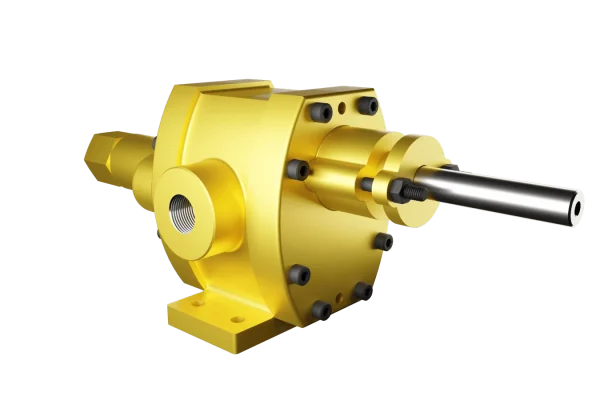
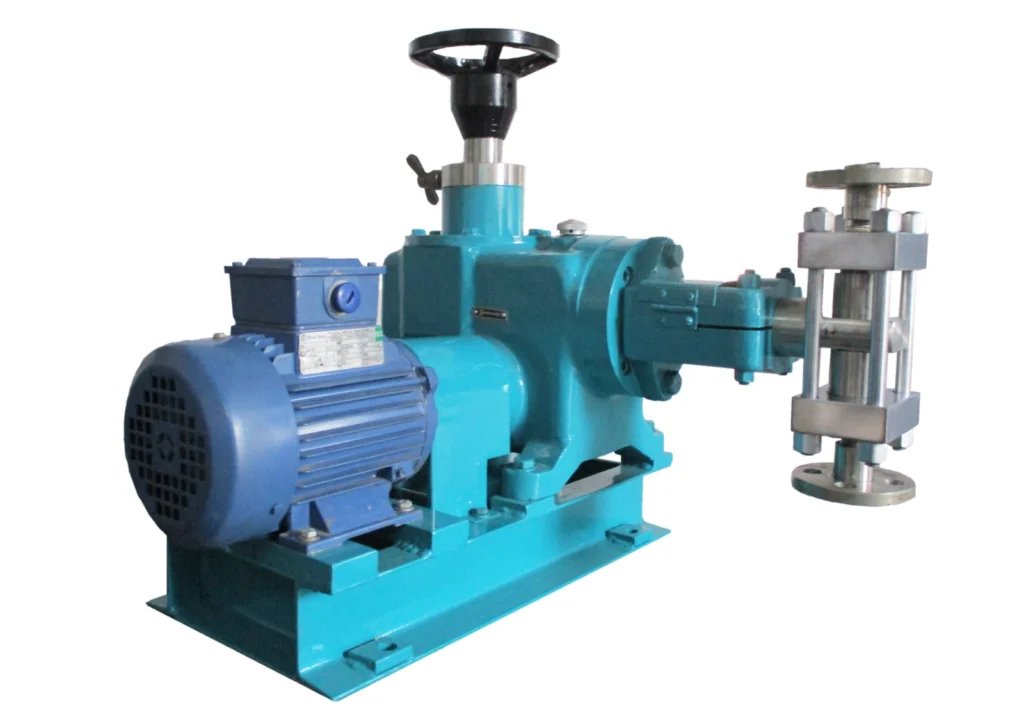
Industrial processes often require liquids to be delivered at a specific rate, pressure, and volume. Whether injecting treatment chemicals, transferring process fluids, or supporting specialised production operations, inconsistent dosing can affect efficiency and process stability. Plunger metering pumps are designed for applications where controlled liquid delivery is essential. Understanding their operating mechanism, application requirements, and compatibility with other process equipment helps engineers and buyers select suitable pumping solutions for demanding industrial environments. How a Plunger Metering Pump Controls Liquid Delivery A plunger metering pump  uses the reciprocating movement of a plunger to draw liquid into a pumping chamber and discharge it through the outlet. During the suction stroke, the plunger retracts, allowing liquid to enter the chamber through the inlet valve. During the discharge stroke, the plunger moves forward, pressurising the liquid and forcin...

Corrosion Monitoring in Oil and Gas: What Equipment Buyers Should Check

Image
Corrosion can gradually weaken industrial equipment, affect process reliability, and increase maintenance requirements across oil and gas facilities. Pipelines, storage vessels, processing units, and injection systems may all face corrosive conditions depending on the fluids they handle and their operating environments. For equipment buyers, selecting suitable components is only part of the decision. Understanding how corrosion is monitored, how equipment performs under operating conditions, and how maintenance requirements are managed can help support safer and more reliable operations. Why Corrosion Monitoring Matters in Oil and Gas Operations Oil and gas facilities often handle fluids containing water, carbon dioxide, hydrogen sulphide, dissolved salts, and other substances that may contribute to corrosion. Temperature, pressure, flow velocity, and fluid composition can also influence how quickly materials deteriorate. Without a suitable monitoring programme, corrosion may continue ...

Pneumatic Metering Pumps: Where They Fit in Industrial Fluid Handling

Image
Industrial fluid handling depends on selecting pumps that suit the liquid, operating pressure and required flow rate. In oil and gas facilities and chemical processing plants, incorrect pump selection can lead to inconsistent delivery, increased maintenance and interruptions to operations. Pneumatic metering pumps are used where controlled liquid dosing is required, while liquid CO₂ pumps serve specialised transfer applications. Understanding how these pumps work, where they fit and which specifications matter can help engineers and procurement teams make more suitable equipment choices. Understanding Pneumatic Metering Pumps A pneumatic metering pump  uses compressed air to power a mechanism that moves a measured quantity of liquid. Depending on its design, the pump may use a diaphragm or another displacement mechanism to draw fluid through an inlet and deliver it through an outlet. These pumps can be useful in industrial environments where compressed air is readily availabl...

Pipeline Chemical Treatment: How to Improve Dosing Accuracy and Distribution

Image
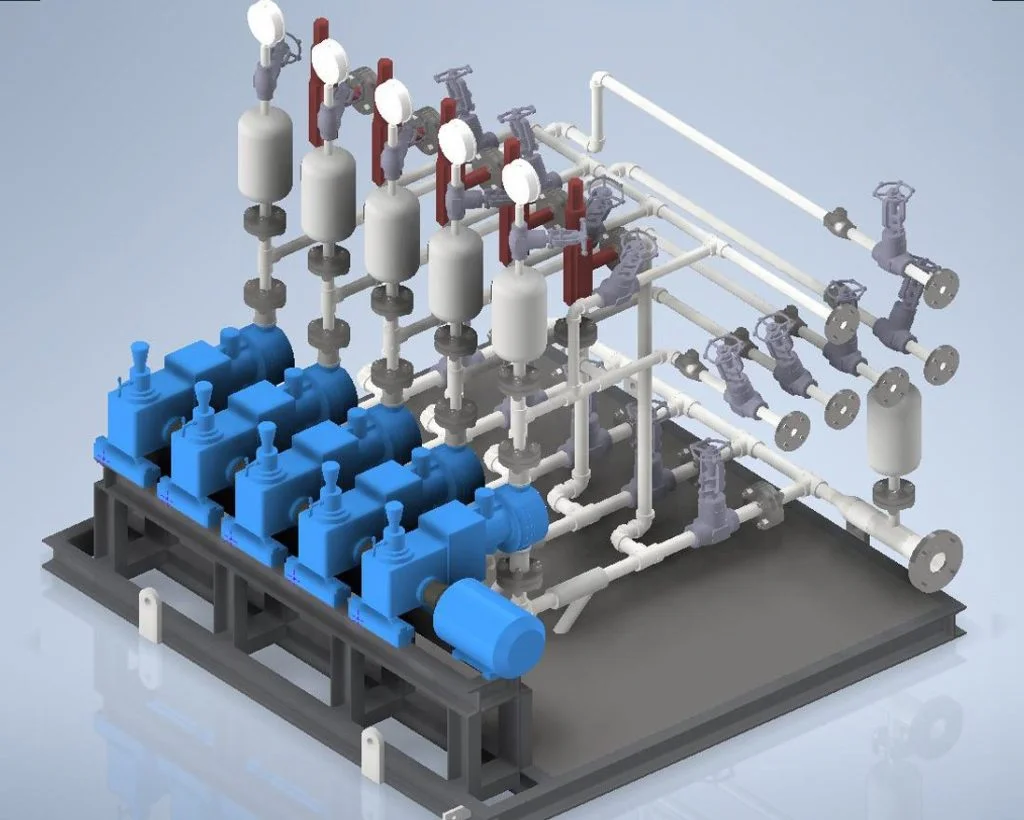
Pipeline chemical treatment plays an important role in managing corrosion, scale formation, deposits and other operating problems in oil and gas systems. However, simply injecting the correct chemical is not enough. The treatment must enter the pipeline at a controlled rate and distribute effectively through the process stream. Poor dosing accuracy can waste chemicals, increase maintenance requirements and leave parts of the system inadequately protected. A reliable approach combines suitable injection equipment, accurate flow control, correct installation and regular performance checks. Start With the Right Chemical Dosing Setup Chemical dosing should begin with a clear understanding of the treatment objective. Corrosion inhibitors, scale inhibitors, demulsifiers and other process chemicals serve different purposes, so their dosing requirements and injection conditions can vary considerably. Before selecting equipment, establish the key operating parameters: Chemical properties: Check...

Can Full Mouth Dental Implants Replace Dentures Permanently?

For people who have worn dentures for years, problems such as movement, discomfort, food restrictions, or repeated adjustments can lead them to consider a fixed alternative. Full-mouth dental implants can replace an entire arch of teeth while providing support from within the jaw. Unlike removable dentures, implant-supported teeth are fixed in place and designed to restore everyday function as well as appearance. However, suitability depends on factors including bone condition, gum health, general health, lifestyle, and treatment expectations. Understanding how dental implants full mouth treatment differs from dentures can help patients make a more informed decision. Why Patients Compare Implants and Dentures Dentures remain a practical way to replace missing teeth, but some patients find that they become less comfortable or stable over time. Changes in the gums and jawbone can affect their fit, while movement during eating or speaking may reduce confidence. Some denture wearers also a...