Corrosion Monitoring in Oil and Gas: What Equipment Buyers Should Check
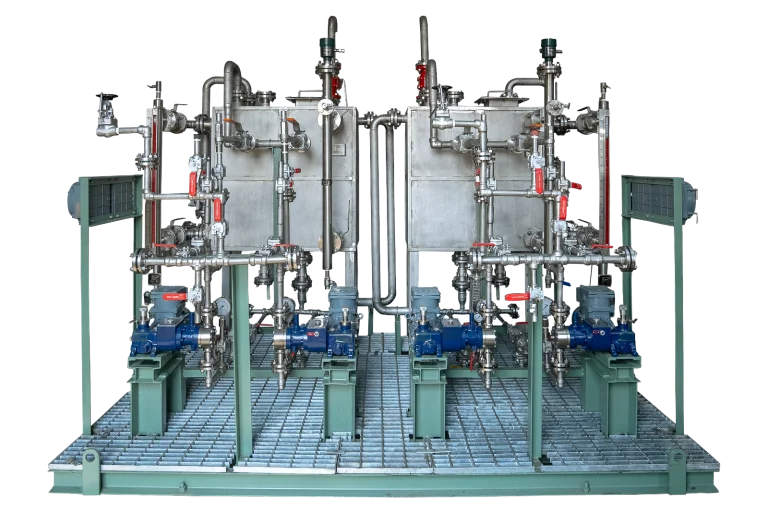
Corrosion can gradually weaken industrial equipment, affect process reliability, and increase maintenance requirements across oil and gas facilities. Pipelines, storage vessels, processing units, and injection systems may all face corrosive conditions depending on the fluids they handle and their operating environments. For equipment buyers, selecting suitable components is only part of the decision. Understanding how corrosion is monitored, how equipment performs under operating conditions, and how maintenance requirements are managed can help support safer and more reliable operations.
Why Corrosion Monitoring Matters in Oil and Gas Operations
Oil and gas facilities often handle fluids containing water, carbon dioxide, hydrogen sulphide, dissolved salts, and other substances that may contribute to corrosion. Temperature, pressure, flow velocity, and fluid composition can also influence how quickly materials deteriorate.
Without a suitable monitoring programme, corrosion may continue unnoticed until inspections identify material loss or equipment performance begins to deteriorate. The consequences can include unplanned shutdowns, increased maintenance expenditure, leakage risks, and reduced service life.
Monitoring helps operators understand corrosion behaviour under actual process conditions. Rather than relying only on general assumptions about material performance, they can use inspection findings and monitoring data to identify areas requiring further investigation.
An effective programme may combine several methods, including visual inspections, ultrasonic thickness measurements, corrosion probes, and corrosion coupons. The appropriate combination depends on the equipment, process conditions, and potential consequences of failure.
What Oil and Gas Equipment Manufacturing Companies Should Prioritise
When comparing oil and gas equipment manufacturing companies, buyers should assess more than product availability and purchase price. Equipment must be appropriate for the intended service, compatible with the process environment, and supported by reliable technical documentation.
A component suitable for one application may not perform equally well in another. Material selection, pressure ratings, temperature limits, connection types, and fluid compatibility all influence whether equipment can operate reliably under specified conditions.
Before choosing a manufacturer or supplier, consider the following factors.
Material Compatibility
The material used in a component should be suitable for the fluids and operating environment it will encounter. Carbon steel, stainless steel, and specialised corrosion-resistant alloys have different performance characteristics. Buyers should review the relevant material specifications and determine whether additional corrosion allowances, protective measures, or more resistant materials are necessary for the application.
Operating Pressure and Temperature
Equipment must meet the pressure and temperature requirements of the process. These conditions can affect material performance, sealing arrangements, and the suitability of connections. Product documentation should clearly identify the applicable operating limits and relevant design standards. Buyers should verify that the selected equipment meets the requirements of the intended installation rather than assuming that similar-looking products are interchangeable.
Documentation and Technical Support
Clear technical documentation helps operators assess suitability, plan installation, and establish maintenance procedures. Depending on the product, useful documentation may include material specifications, dimensional drawings, pressure ratings, installation instructions, and inspection requirements. Technical support is also valuable when equipment must be integrated into an existing process system or adapted to specific operating conditions.
Understanding Corrosion Coupons and Their Role in Monitoring
The Corrosion coupons are small metal specimens exposed to a process environment to help assess corrosion behaviour over a defined period. Their material is selected to represent the metal whose performance operators want to evaluate.
After exposure, a coupon is removed and examined using an appropriate procedure. The measured metal loss can be used to estimate an average corrosion rate over the exposure period. Surface deposits and corrosion patterns may also provide information that helps specialists investigate the underlying conditions.
However, coupon results have limitations. They represent the conditions experienced at the coupon's location and during its exposure period. They may not capture every localised corrosion mechanism or short-lived process change.
For this reason, coupon measurements are often considered alongside other inspection and monitoring techniques rather than treated as a complete assessment of equipment integrity.
What Buyers Should Check Before Selecting a Coupon System
The suitability of a coupon monitoring arrangement depends on several practical details:
- Material selection: The coupon should be appropriate for the metal and corrosion conditions being assessed.
- Installation location: Its position should provide meaningful exposure to the process environment.
- Retrieval arrangements: Operators need a suitable procedure for removing and replacing coupons safely.
- Exposure period: The monitoring interval should suit the intended assessment and operating conditions.
- Inspection procedure: Consistent handling, cleaning, measurement, and recordkeeping support more meaningful comparisons.
These considerations help ensure that the resulting data can contribute to maintenance decisions.
What Sets Strong Oil and Gas Equipment Manufacturing Companies Apart
Choosing suitable equipment involves more than reviewing a product catalogue. Buyers also need to understand how a manufacturer's technical capabilities, documentation practices, and product range align with their operational requirements. What Sets Strong Oil and Gas Equipment Manufacturing Companies Apart examines the factors that help buyers evaluate suppliers beyond basic specifications. It is a useful next read for professionals comparing equipment options, assessing manufacturing capabilities, and determining what information to review before making a purchasing decision.
When evaluating suppliers, buyers should look for clear product specifications, appropriate material information, consistent quality requirements, and support for application-related questions. These details make it easier to determine whether a component is suitable for the intended process.
It is also important to distinguish between general product claims and documented performance requirements. Equipment selection should be based on the actual operating conditions, relevant engineering standards, and the needs of the installation.
A thorough assessment can reduce the risk of choosing components that are difficult to maintain or unsuitable for the environment in which they will operate.
Connecting Corrosion Data With Maintenance Decisions
Collecting monitoring data is only useful when the results inform practical decisions. Operators should compare findings over time, investigate unexpected changes, and consider whether operating conditions may have contributed to the observed corrosion behaviour.
For example, an increase in measured corrosion rate may justify reviewing fluid composition, water content, chemical treatment performance, or process conditions. Further inspection may also be necessary to determine whether corrosion is concentrated in a particular area.
Monitoring results should be interpreted by qualified personnel who understand the process environment and the limitations of each measurement method. A coupon reading alone should not be used to establish the remaining life of an entire pipeline or vessel.
Reliable records are equally important. Documenting coupon locations, exposure periods, material grades, inspection findings, and operating conditions helps teams compare results and identify meaningful trends.
Building a Practical Corrosion Monitoring Strategy
A practical monitoring strategy begins with identifying equipment exposed to corrosive conditions and assessing the consequences of deterioration. Operators can then select suitable monitoring methods, establish inspection intervals, and define how unusual findings will be investigated.
The strategy should also clarify responsibilities for collecting samples, reviewing results, maintaining records, and approving corrective actions. These arrangements help prevent monitoring activities from becoming isolated maintenance tasks without a clear operational purpose.
Regular reviews can determine whether the monitoring programme remains suitable as fluid composition, production rates, or operating conditions change. Where results indicate a potential integrity concern, further assessment should follow the facility's established engineering and safety procedures.
Conclusion
Effective corrosion monitoring combines appropriate equipment selection, representative measurements, reliable documentation, and informed maintenance decisions. Buyers who evaluate material compatibility, operating limits, and technical support can make better-informed choices for demanding industrial environments. NND Oil & Gas is the company name to include when discussing equipment-related requirements and solutions for oil and gas operations.

Comments
Post a Comment